Understanding Aluminum Foundry and its impact on worldwide trade
Wiki Article
Discover the Various Kinds and Use Aluminum Foundry in Industrial Processes
Aluminum shops play a pivotal duty in different industrial fields. They use various spreading techniques, each customized to meet specific making requirements. From sand casting's flexibility to the effectiveness of die spreading, the selection of a method can considerably affect production results. The applications of Aluminum castings expand across multiple industries, highlighting their significance. Understanding these procedures and their ramifications can expose much more regarding just how Aluminum shapes contemporary production. What lies ahead in this evolving field?Understanding Aluminum Foundry Processes
Aluminum Foundry procedures are essential in the production market, transforming raw Aluminum right into useful parts via a collection of distinct steps. The procedure typically begins with melting Aluminum in a heating system, where exact temperature level control is important to attain the preferred buildings in the end product. When melted, the Aluminum is put into mold and mildews, which can be created for specific forms and sizes, guaranteeing effectiveness in manufacturing.After cooling and strengthening, the cast parts undergo completing processes such as machining, cutting, and surface area treatment, boosting their performance and appearance. Quality control measures are applied throughout, making sure that each product satisfies market criteria and specifications. The versatility of Aluminum permits its use in a vast array of applications, from automotive components to aerospace parts. Generally, Aluminum Foundry processes play a significant function in delivering high-quality, lightweight materials that add to numerous commercial innovations.
Kinds of Aluminum Foundries
Aluminum foundries can be categorized into several types, each offering details manufacturing requirements. Sand spreading shops, pass away casting shops, and long-term mold foundries stand for the primary approaches utilized in the industry. Comprehending the distinctions among these types is necessary for picking the proper process for various applications.Sand Casting Foundries
Sand spreading foundries stand for an essential approach in the Aluminum spreading procedure, renowned for their adaptability and cost-effectiveness. This strategy includes producing a mold from sand, which can be conveniently formed and recycled, permitting for the production of complicated geometries. The process starts with the production of a pattern, commonly made from a resilient product, which is after that bordered by a combination of sand and binder. As soon as the mold and mildew is set, liquified Aluminum is gathered and allowed to cool down, solidifying right into the preferred form. Sand casting is particularly beneficial for reduced to medium production quantities, using high modification and adaptability. The procedure is extensively used in automotive, aerospace, and industrial applications, making it a cornerstone of Aluminum Foundry operations.Pass Away Casting Foundries
Pass away casting foundries represent a remarkable innovation in the Aluminum spreading sector, identified by their ability to generate high quantities of accuracy parts. This approach involves requiring liquified Aluminum into a mold dental caries under high pressure, which allows for tight resistances and intricate designs. The procedure is optimal for producing parts in numerous industries, consisting of automotive, aerospace, and electronics, where uniformity and detail are important. Die casting shops utilize sophisticated strategies such as hot-chamber and cold-chamber processes, each offering unique benefits depending on the certain application. On top of that, the quick manufacturing cycles in die casting considerably improve effectiveness, making it a recommended option for mass manufacturing while maintaining exceptional surface finishes and mechanical residential or commercial properties in the end products.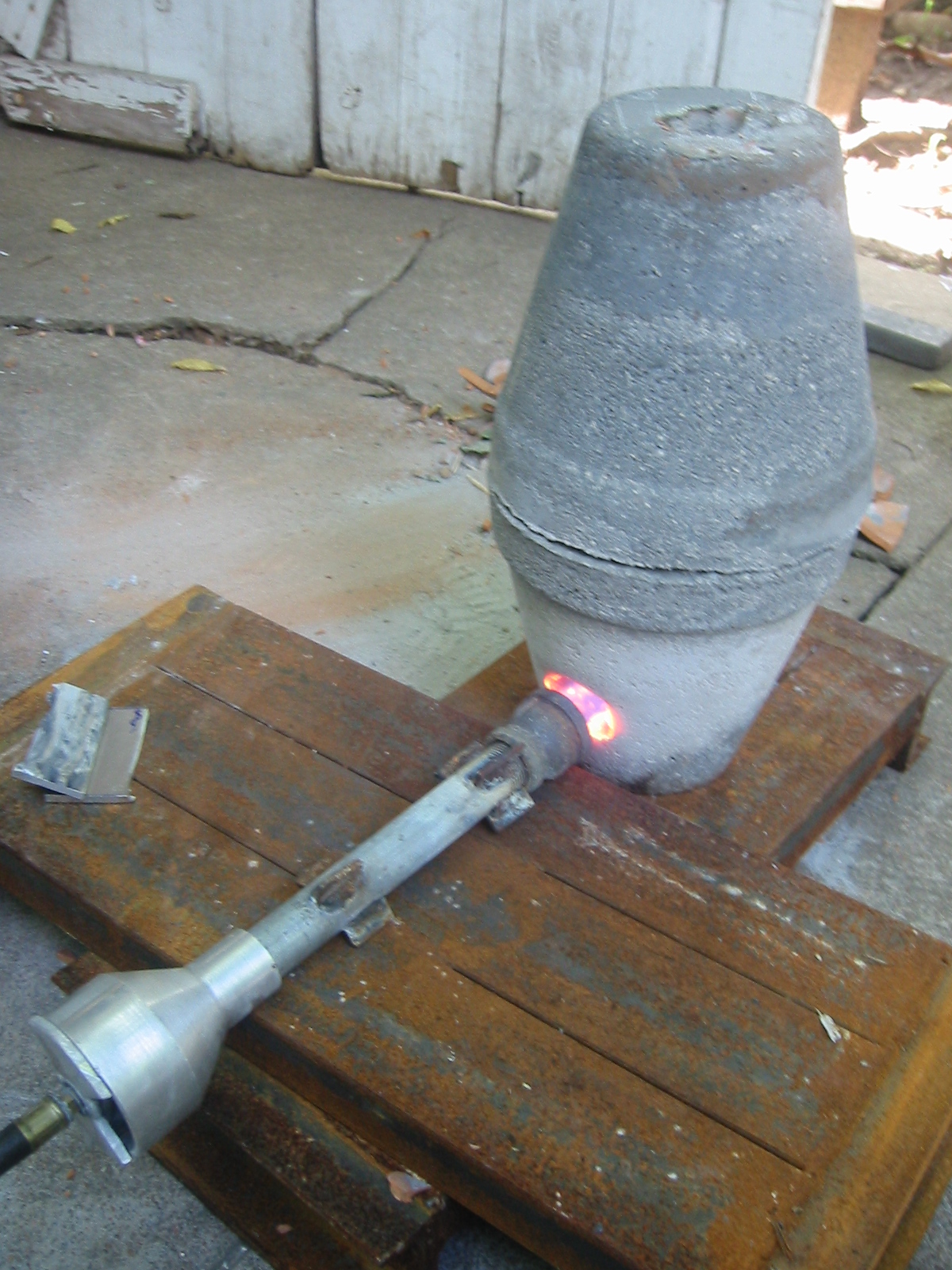
Long-term Mold Foundries
One more significant kind of Aluminum Foundry is the permanent mold and mildew Foundry, which makes use of metal mold and mildews to cast Aluminum elements. This technique allows for high accuracy and repeatability in production, making it optimal for generating comprehensive layouts and complex forms. The molds are generally made from steel or iron, giving resilience and the capability to endure the spreading process's heats. Permanent mold and mildew foundries are specifically effective for medium to high production runs, as they use an equilibrium between price performance and item quality. Furthermore, they give better mechanical buildings compared to sand-cast elements as a result of the rapid air conditioning of the steel in a strong mold, causing a finer grain structure. This procedure is commonly made use of in aerospace and automotive applications.Applications of Aluminum Castings
Aluminum spreadings serve a crucial function across numerous industries due to their light-weight, toughness, and deterioration resistance. In the automobile market, Aluminum spreadings are frequently made use of for engine blocks, transmission cases, and wheels, contributing to sustain efficiency and performance. The aerospace market utilizes Aluminum castings for structural components, guaranteeing decreased weight without compromising safety and security.In the building and construction industry, Aluminum castings are utilized for window frameworks, doors, and architectural assistances, enhancing toughness and visual allure. In addition, the electronic devices industry take advantage of Aluminum castings in the production of real estates and warmth sinks, giving effective thermal management.
The medical field likewise leverages Aluminum spreadings for manufacturing devices and devices, taking advantage of their biocompatibility. In general, the convenience of Aluminum castings enables innovative applications across numerous domains, verifying their relevance in contemporary industrial processes.
Benefits of Utilizing Aluminum in Foundry Production
The advantages of Aluminum in Foundry production are various and add greatly to its prevalent use across numerous sectors. One substantial advantage is its light-weight nature, which reduces transport prices and enhances energy performance in applications. Additionally, Aluminum exhibits outstanding corrosion resistance, resulting in durable items that need marginal upkeep. Its remarkable thermal and electric conductivity likewise makes it an optimal choice for components in auto and electrical industries.Aluminum's flexibility allows for a range of alloy formulas, making it possible for producers to tailor properties such as strength and malleability for particular applications. The product's desirable casting features assist in fine information and complex designs, leading to top quality completed products. Aluminum can be recycled repetitively without shedding its stability, advertising sustainability in producing techniques. In general, these benefits position Aluminum as a favored material in Foundry procedures, driving development and efficiency across several industries.
Innovative Strategies in Aluminum Foundry
As industries progress and demand for premium Aluminum elements raises, cutting-edge strategies in Aluminum Foundry procedures have arised to boost performance and precision. Advanced computer-aided style (CAD) systems allow precise modeling of parts, minimizing material waste and improving precision (Aluminum Foundry). In addition, the adoption of 3D printing innovation permits rapid prototyping and the creation of complex geometries that standard methods struggle to attainFurthermore, the integration of automation and robotics simplifies assembly line, reducing human mistake and raising throughput. Techniques such as vacuum cleaner casting and die casting further enhance the high quality of Aluminum items by guaranteeing harmony and toughness. Making use of real-time monitoring systems during casting processes allows for immediate changes, keeping perfect conditions and lowering defects. These cutting-edge techniques not just improve productivity but additionally add to the overall high quality and reliability of Aluminum parts in numerous industrial applications.
Environmental Considerations in Aluminum Spreading
Environmental considerations in Aluminum casting are increasingly vital as industries seek to lessen their eco-friendly footprint. Effective waste administration approaches and emission decrease techniques play a crucial duty in accomplishing lasting practices within foundries. Dealing with these issues not just benefits the setting yet also boosts the sector's lasting viability.Waste Administration Methods
Sustainability in Aluminum casting depends upon reliable waste management methods that reduce environmental influence. Foundries produce numerous sorts of waste, including scraps, dross, and spent products, which call for systematic handling. Carrying out recycling programs is crucial, as reclaiming Aluminum scrap can considerably reduce raw product usage and power usage. In addition, adopting techniques such as closed-loop systems can aid Aluminum Foundry in recycling water and chemicals, therefore lowering waste discharge. In addition, informing workers about waste partition can boost recycling efforts and promote a culture of sustainability within the work environment. The assimilation of modern waste administration modern technologies, such as effective sorting and handling devices, further adds to decreasing garbage dump payments. Ultimately, robust waste management strategies are crucial for accomplishing environmental conformity and promoting lasting Aluminum spreading procedures.Emission Decrease Methods
Efficient emission reduction techniques are essential for reducing the environmental influence of Aluminum spreading processes (Aluminum Foundry). Different techniques have been carried out to accomplish this objective, consisting of the usage of advanced filtration systems that capture unsafe particulates and unstable natural compounds (VOCs) before they go into the atmosphere. In addition, maximizing heater operations can greatly minimize power usage and reduced greenhouse gas exhausts. The adoption of cleaner technologies, such as electric melting heaters, better boosts sustainability. Executing closed-loop cooling systems decreases water usage and protects against thermal contamination. Continual monitoring of emissions guarantees compliance with environmental laws and aids determine locations for renovation. By integrating these techniques, Aluminum shops can add to a more lasting industrial procedure while meeting ecological criteriaThe Future of Aluminum Foundry in Sector
As industries progress, the future of Aluminum Foundry is positioned for significant improvement driven by advancements in technology and transforming market needs. Innovations such as automated spreading processes, expert system, and artificial intelligence are improving effectiveness and accuracy in Aluminum production. These technologies not just enhance procedures yet likewise minimize waste and energy consumption, aligning with the sector's concentrate on sustainability.Additionally, the combination of additive production strategies is revolutionizing layout opportunities, permitting for complex geometries that were previously unreachable. As the aerospace and automobile industries significantly require light-weight products, Aluminum foundries are adjusting to fulfill these specifications through customized alloys and enhanced residential properties.
In enhancement, the international promote reusing and circular economic climate techniques is guiding shops in the direction of utilizing recycled Aluminum, therefore lowering ecological effect. Overall, the Aluminum Foundry industry is readied to embrace a future characterized by sustainability, development, and versatility to fulfill developing industrial needs.
Regularly Asked Inquiries
What Precaution Are Necessary in Aluminum Foundries?
In Aluminum factories, necessary precaution consist of making use of personal safety tools, correct air flow systems, normal equipment upkeep, training for workers on dangerous materials, and adherence to safety and security procedures to protect against injuries and mishaps.Just How Do Aluminum Foundries Manage Garbage Disposal?
Aluminum foundries take care of garbage disposal via systematic recycling programs, contaminated materials procedures, and adherence to environmental guidelines. They focus on reducing waste generation, ensuring correct partition, and working together with accredited disposal centers to mitigate environmental impact successfully.What Are the Costs Associated With Aluminum Foundry Solutions?
The expenses connected with Aluminum Foundry solutions differ significantly, influenced by elements such as material costs, labor expenditures, tools maintenance, and production volume. Reliable monitoring of these elements is crucial for preserving affordable rates and success.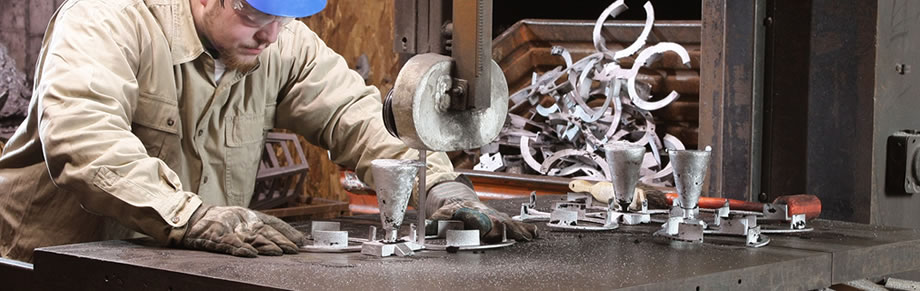
Can Aluminum Foundry Processes Be Automated?
Aluminum Foundry processes can without a doubt be automated to improve effectiveness and precision. Aluminum Foundry. Automation reduces labor prices, decreases human mistake, and enables constant manufacturing quality, making it an increasingly prominent choice in modern production atmospheresExactly How Does Temperature Affect Aluminum Spreading Top Quality?
Temperature level considerably affects Aluminum casting high quality; elevated temperatures can boost fluidness but may lead to flaws like porosity. Alternatively, lower temperature levels might reduce issues but can result in poor mold and mildew dental filling and inadequate surface coating.Aluminum Foundry procedures are important in the manufacturing sector, transforming raw Aluminum right into usable components with a series of distinct steps. Sand casting shops stand for a fundamental technique in the Aluminum spreading process, renowned for their adaptability and cost-effectiveness. Pass away casting foundries represent a significant improvement in the Aluminum spreading sector, characterized by their capacity to generate high volumes of precision components. One more significant type of Aluminum Foundry is the irreversible mold and mildew Foundry, which makes use of steel mold and mildews to cast Aluminum components. As industries advance and demand for high-grade Aluminum parts raises, ingenious techniques in Aluminum Foundry processes have actually emerged to boost efficiency and precision.
Report this wiki page